Two Programs, One Academy
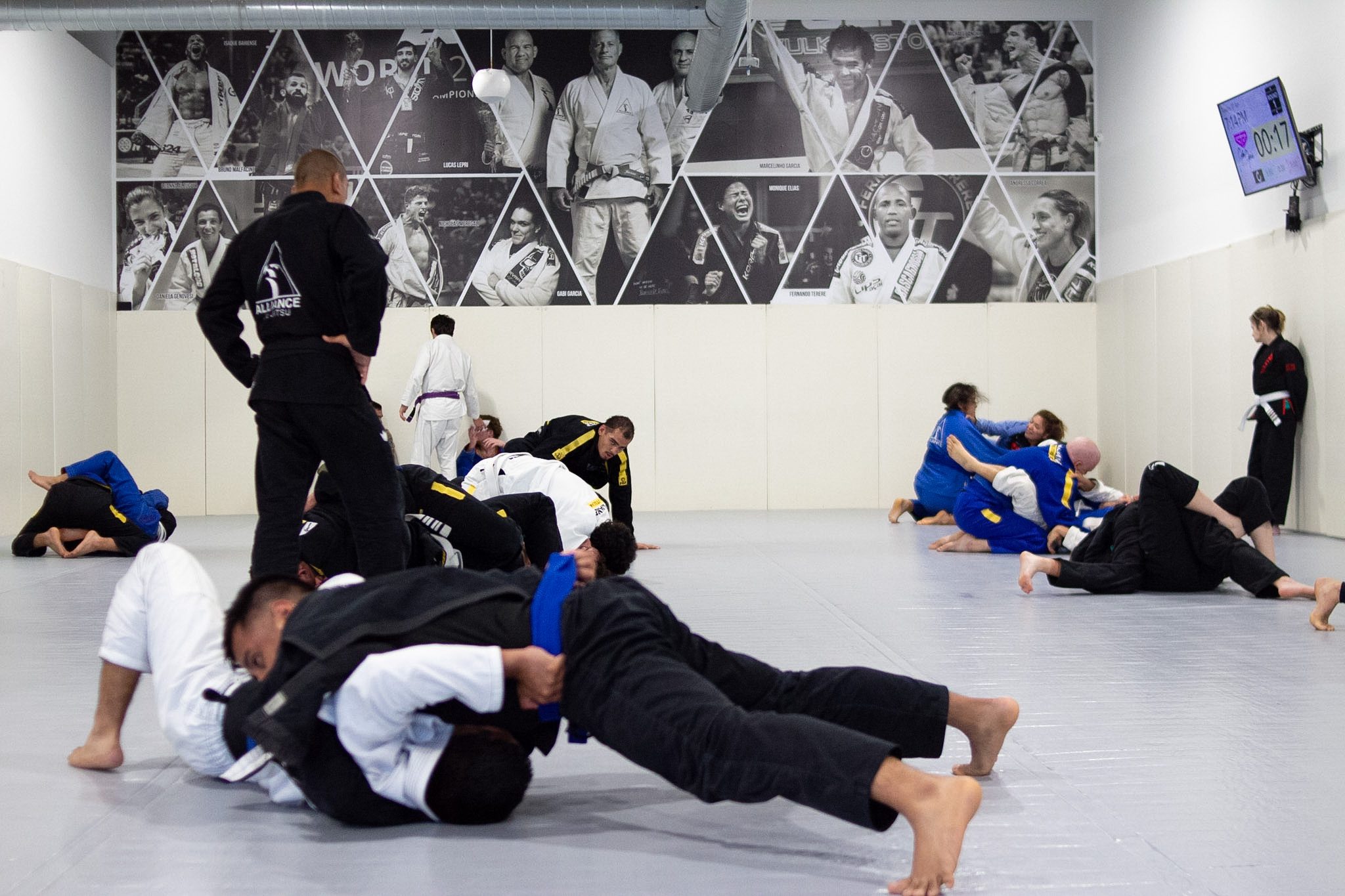
One of the most common questions parents ask when walking into Alliance BJJ Houston is how the kids program compares to the adult program. The short answer: both teach real Brazilian jiu-jitsu, but the structure, pace, and goals are built around very different stages of life.
Understanding what each program looks like — and what it delivers — makes the decision a lot easier, whether the whole family is training or just one member is getting started with martial arts in Pearland.
What Kids Classes Look Like
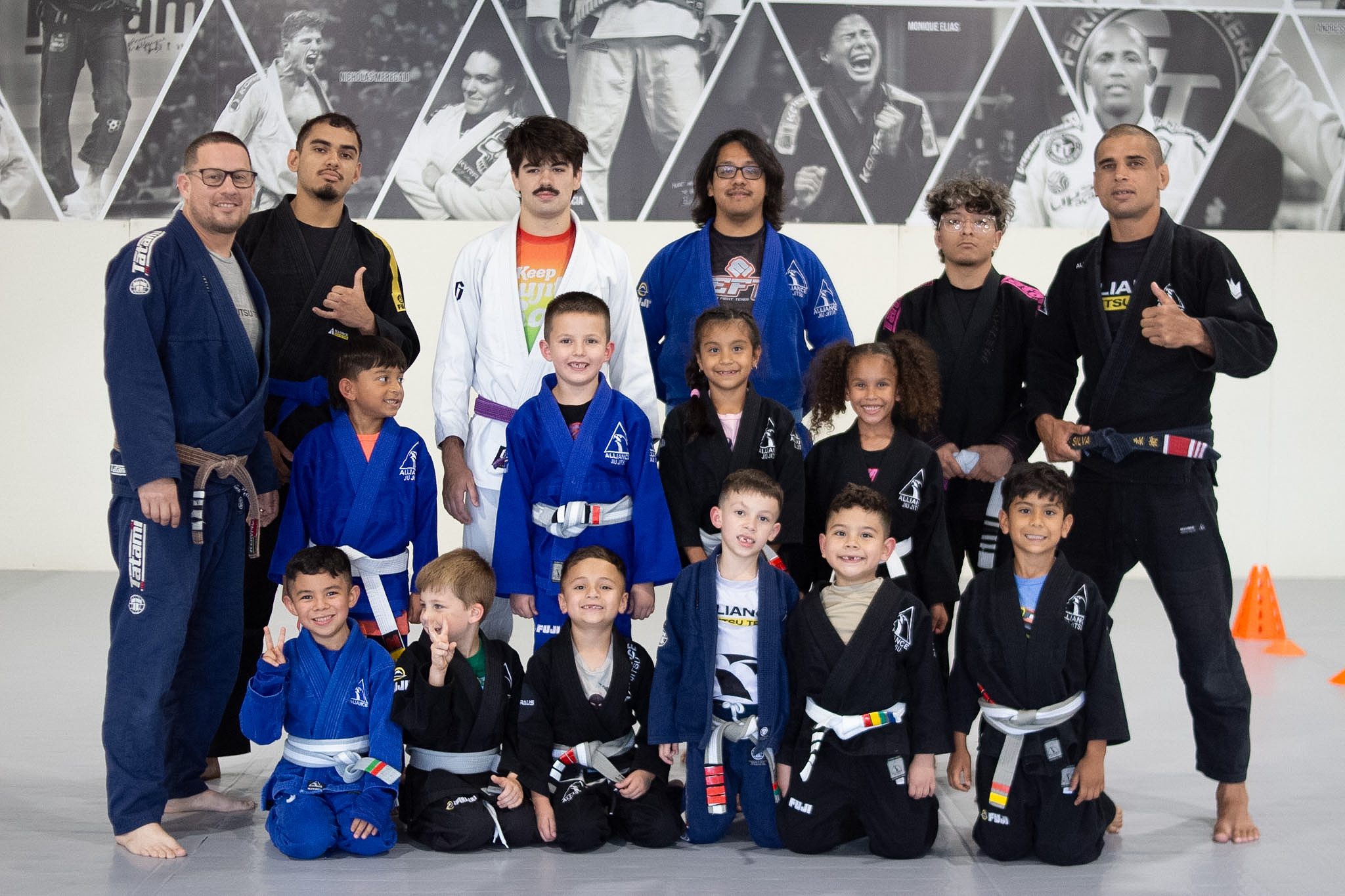
The kids martial arts program at Alliance is split into age-appropriate groups. Tiny Eagles (ages 3–5) focuses on coordination, listening, and basic movement patterns. Junior Eagles (ages 5–8) introduces foundational jiu-jitsu positions and partner drills. The Kids BJJ program (ages 8–13) layers in real technique, live sparring, and the beginnings of a structured grappling game.
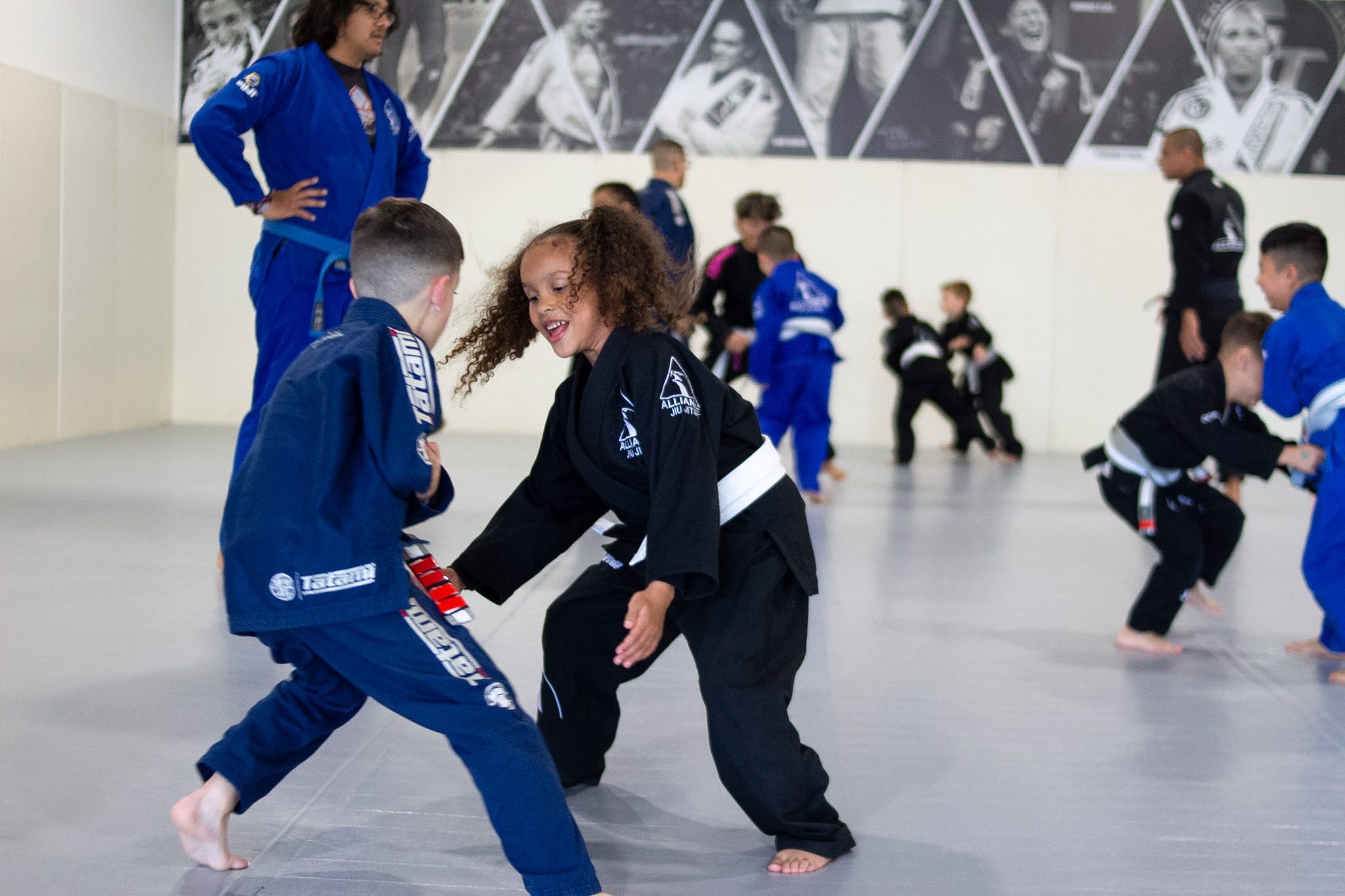
Across all age groups, the emphasis is on discipline, respect, and confidence. Classes are high-energy, coach-led, and structured so that every child stays engaged. Techniques are introduced through games and drills that keep younger students moving without overwhelming them.
Belt promotions in the kids program follow the IBJJF youth belt system — white through green — with stripes marking progress along the way. The coaching staff at Alliance tracks each student’s development individually and communicates with parents about where their child stands.
What Adult Classes Look Like
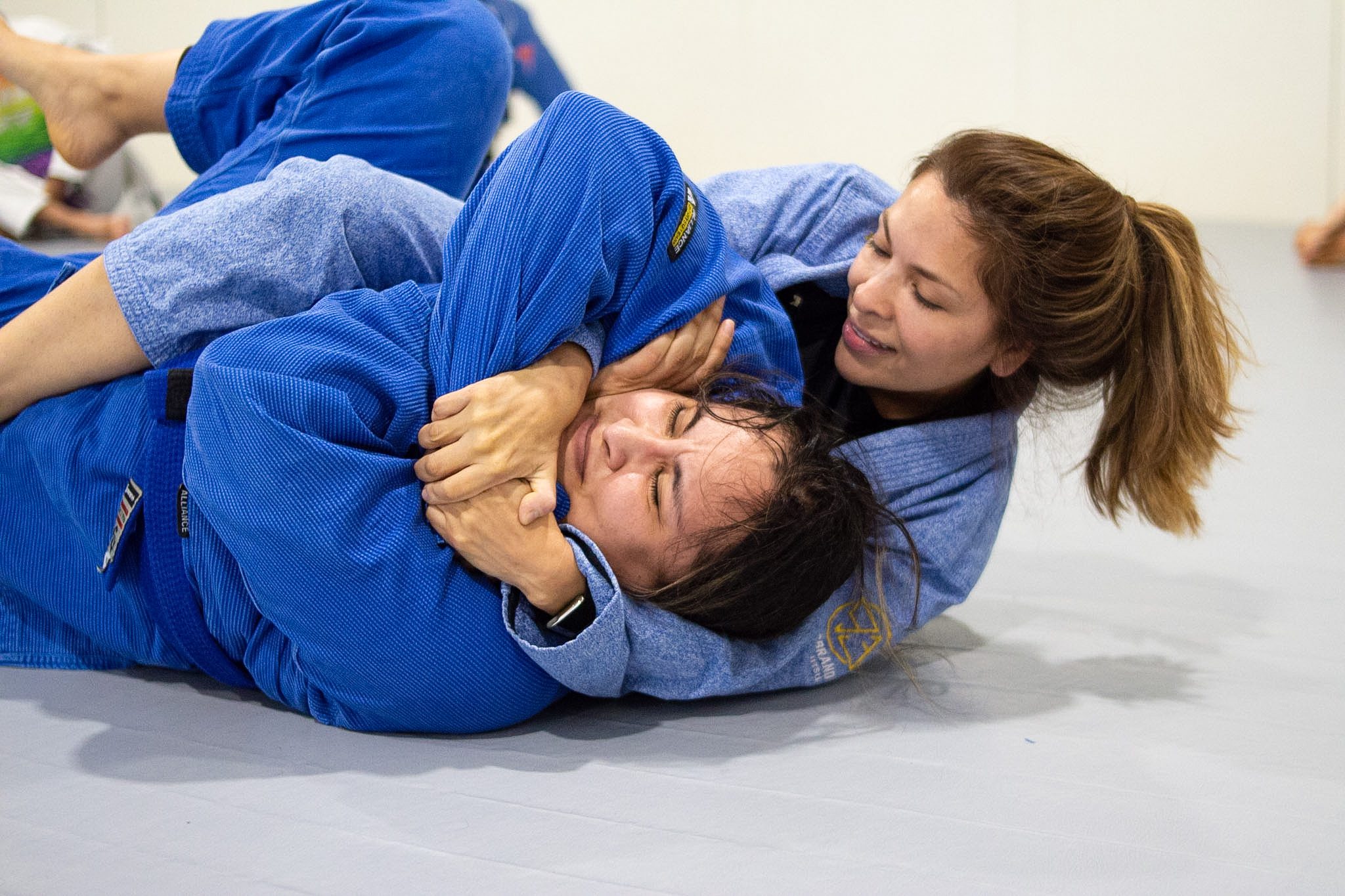
The adult program at Alliance BJJ Houston covers both Gi and No-Gi Brazilian jiu-jitsu, plus Muay Thai. Classes are split between fundamentals (for newer grappling practitioners) and advanced sessions that include positional sparring, competition preparation, and open rolling.
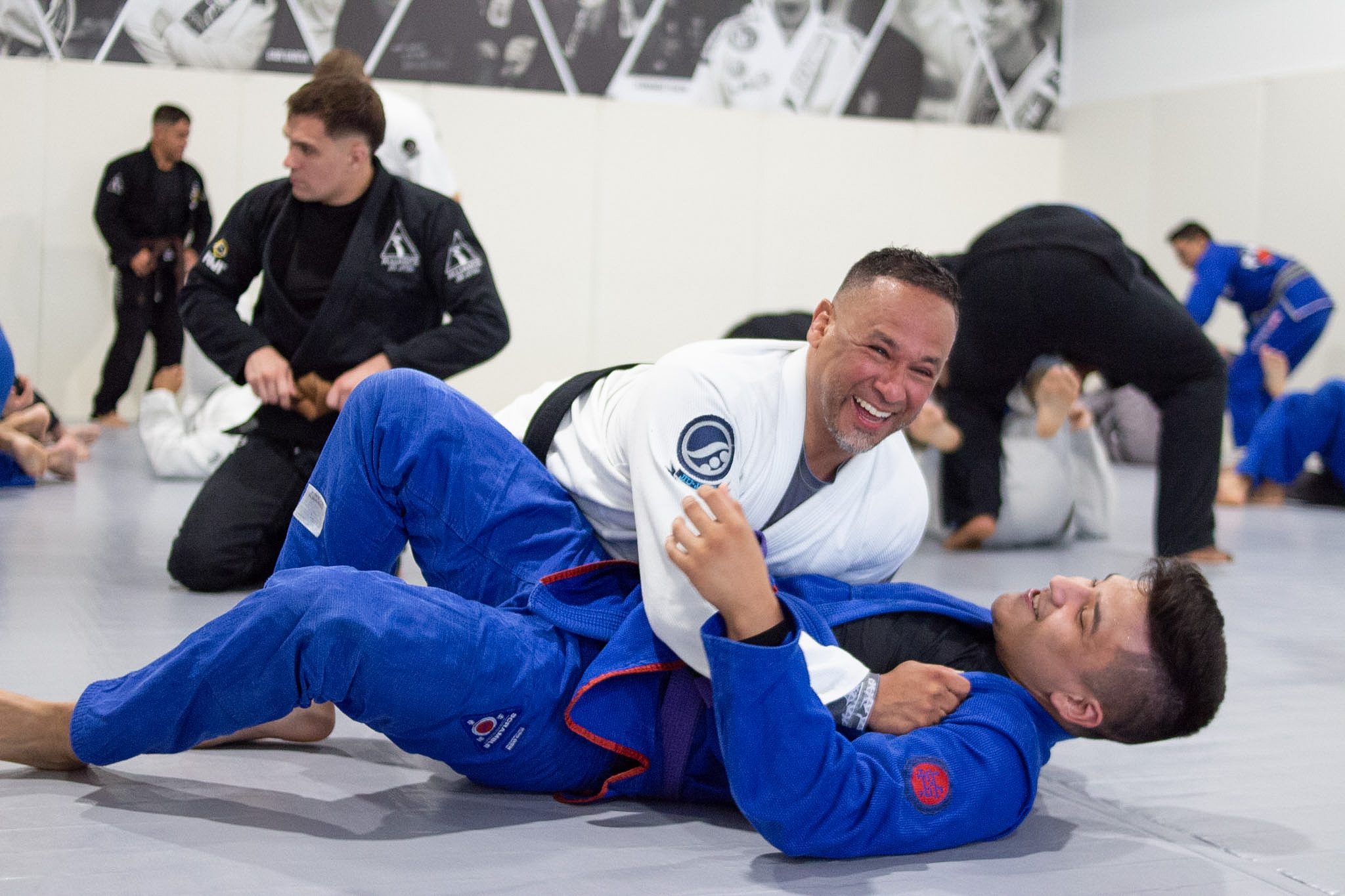
Where kids classes prioritize structure and engagement, adult classes lean into depth. Techniques are broken down in detail, drilled with a partner, then tested under pressure during live rounds. The pace is faster, the physical demands are higher, and the technical depth increases as students progress through the belt system from white through black.
Adults also benefit from the self-defense applications of jiu-jitsu. Many students at the Pearland academy started training specifically to build confidence in real-world situations — and stayed because of the fitness, stress relief, and community that come with consistent martial arts training.
Key Differences Between Kids and Adult Programs
The biggest difference isn’t difficulty — it’s approach. Kids classes are built around development. The goal is to build coordination, social skills, self-defense awareness, and a love for the sport before layering on complex technique. Adult classes assume a baseline of physical awareness and move quickly into technical instruction and live application.
Class length also differs. Kids sessions are shorter and more structured to match attention spans, while adult classes run longer and include warmups, technique blocks, drilling, and sparring. Both programs at the Pearland academy are led by experienced coaches who adjust instruction to the room — beginners are never thrown into the deep end.
Families Training Together
One of the strongest parts of training martial arts at Alliance BJJ Houston is the family culture. It’s common to see a parent warming up for the adult class while their child finishes a kids session in the same facility. Families from across south Houston, Friendswood, and League City train together at the Pearland location — sometimes for years.
Alliance offers membership options that make it practical for multiple family members to train. Rather than publishing specific rates, the academy walks every family through the options in person to find the right fit. Families interested in learning more can book a free consultation to tour the facility and talk through programs.
Gear and What to Bring
For a first class, comfortable athletic clothing is all that’s needed — a t-shirt and shorts or leggings. Kids and adults who continue training will eventually need a gi (the traditional BJJ uniform). Alliance carries gis and gear at the pro shop, and the coaching staff can help with sizing.
Adults training Muay Thai will want shin guards and gloves as they progress, but loaner gear is available for anyone getting started. The academy keeps the barrier to entry low — no one needs to buy a full kit before trying their first class.
Competition Opportunities
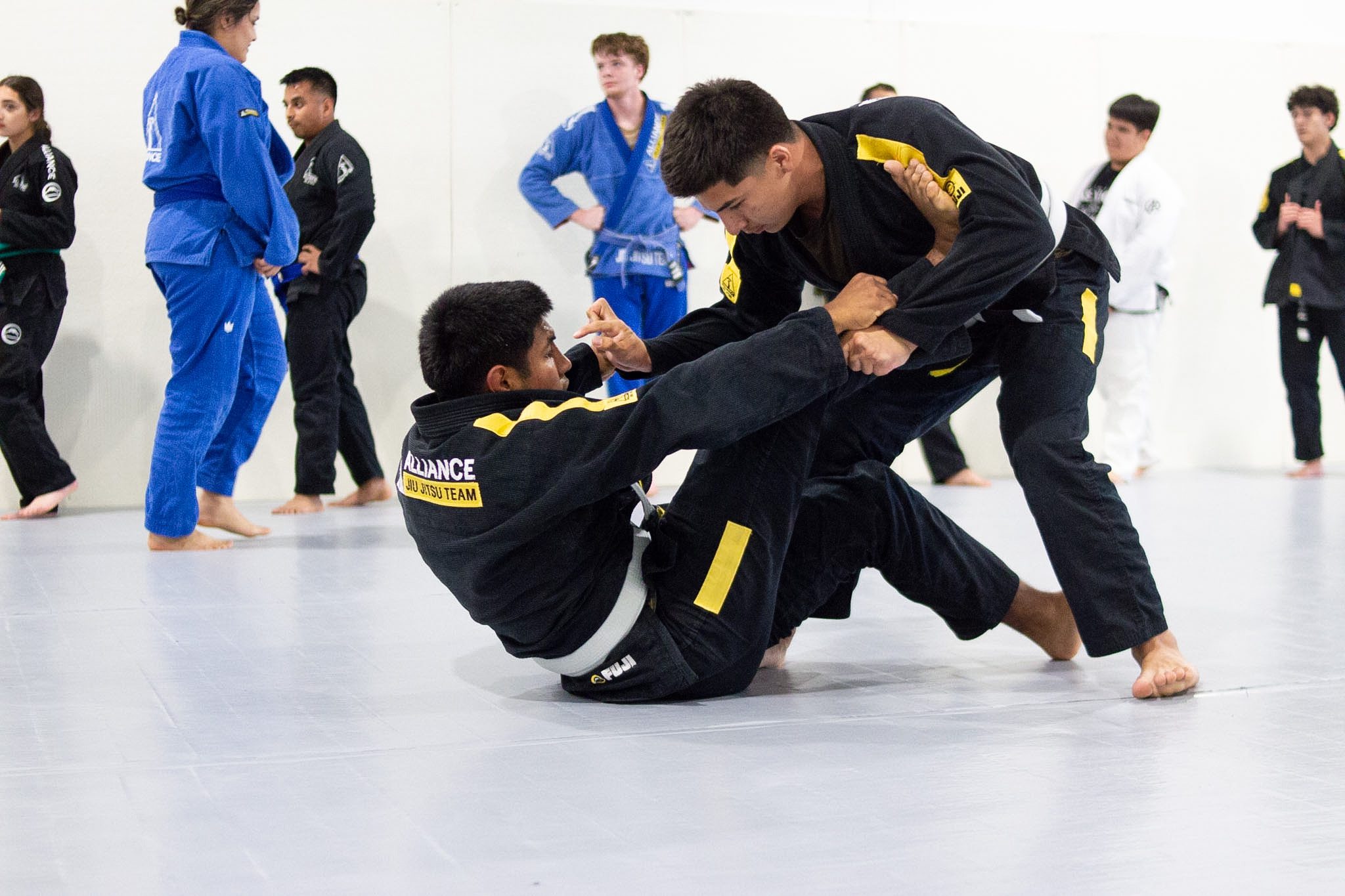
Both kids and adults at Alliance BJJ Houston have the opportunity to compete in local and regional tournaments. Competition is never required, but the option is there for students who want to test their grappling and self-defense skills against practitioners from other academies in the Houston area.
The coaching staff helps interested competitors prepare with focused training, game planning, and mental preparation. Tournaments are a valuable part of the BJJ journey for those who want it — and the Pearland team shows up strong every time.
Finding the Right Fit
Choosing between kids and adult martial arts classes — or enrolling the whole family — comes down to understanding what each program offers and how it fits into daily life. Alliance BJJ Houston runs classes throughout the week with enough variety to accommodate most schedules. Check the current schedule to see what’s available.
The best way to get a feel for the programs is to visit the Pearland academy in person. Walk through the facility, watch a class, and talk to the coaches about goals and expectations. Alliance offers a free consultation for anyone exploring Brazilian jiu-jitsu for the first time — whether for a child, an adult, or the whole family. Book your free consultation here.