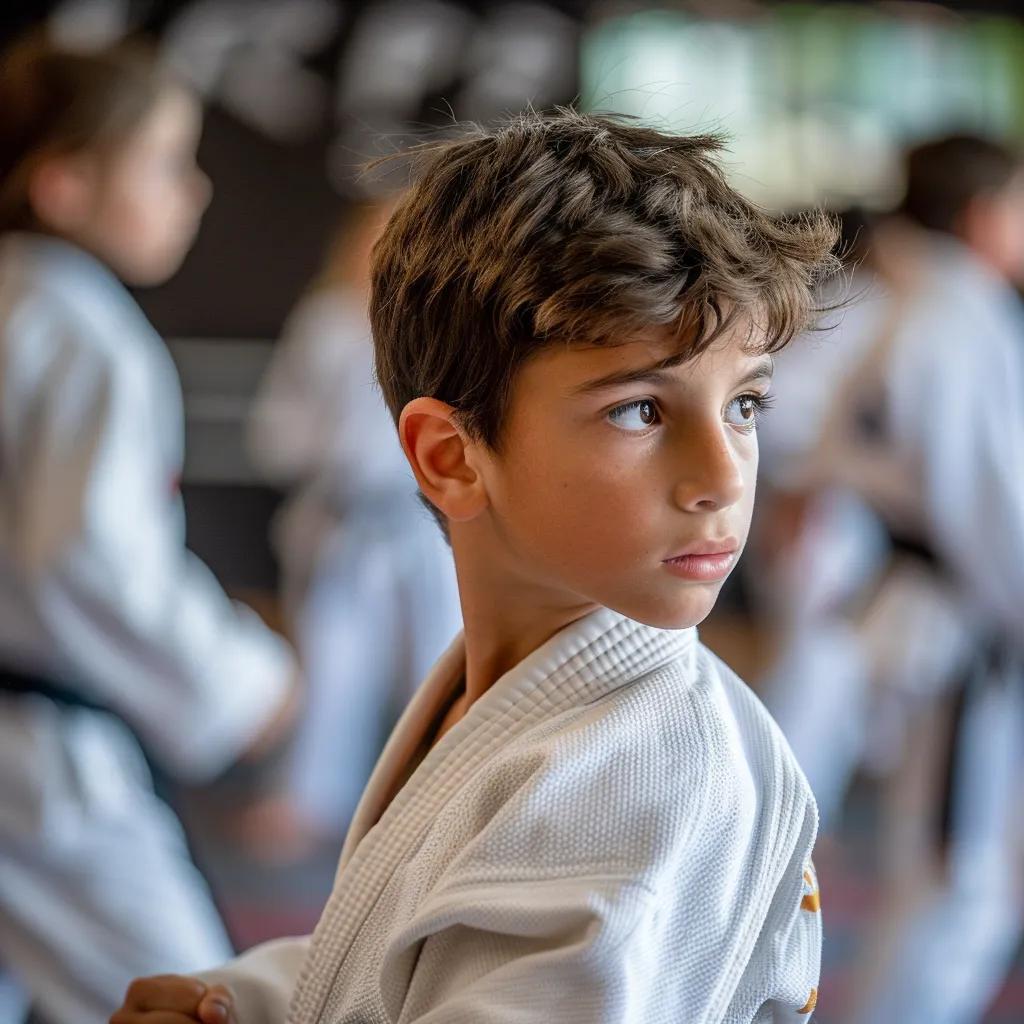
5 Reasons Why Family Martial Arts Classes Are Perfect for Bonding Time and Building Stronger Relationships
Family martial arts classes unite parents, children, and siblings around common objectives, transforming training mats into platforms for shared success, discipline, and lifelong memories. By dedicating time to structured techniques—from basic stances to advanced belt promotions—families harness martial arts family classes as dynamic environments for cooperation, respect, and resilience. In this article, we will explore seven key dimensions of this bonding experience: fostering shared goals, cultivating discipline and respect, boosting physical fitness and mental well-being, enhancing communication and mutual support, creating lasting memories and traditions, gaining practical self-defense skills, and overcoming common family time challenges. Each section provides definitions, mechanisms, and tangible benefits, supported by examples, lists, and tables that illustrate how a family martial arts class can strengthen relationships and enrich daily life.
How Do Family Martial Arts Classes Foster Shared Goals and Achievements?
Family martial arts classes foster shared goals and achievements by aligning individual progress with collective milestones, encouraging cooperation and mutual encouragement. Through synchronized drills and joint challenges, relatives identify targets—such as mastering a new form or earning a belt stripe—and celebrate successes together. This shared focus transforms each lesson into a unifying journey where cooperation becomes a catalyst for stronger relationships.
What Are Common Milestones Families Achieve Together in Martial Arts?
Before listing milestones, families experience a sense of progression that deepens unity and motivation.
- Mastering basic techniques and stances in unison.
- Completing belt tests or stripe evaluations as a team.
- Participating in in-school demonstrations or belt ceremonies.
These milestones mark tangible achievements that families recall long after leaving the dojo, setting the stage for cooperative accomplishments in everyday life.
Families often celebrate these shared achievements at home, reinforcing bonds through recognition ceremonies and supportive rituals that build confidence and cohesion.
How Does Working Toward Belt Promotions Strengthen Family Unity?
Earning a new belt unites all members around a clear objective and deadline. Parents and children schedule extra practice sessions, exchange feedback on forms, and encourage consistent effort. This shared commitment breeds accountability, as each family member becomes invested in the other’s success. When a child advances, parents recall their own journeys, creating an intergenerational narrative of perseverance and pride. This process cements unity by turning individual progress into mutual celebration.
Why Is Cooperation Important in Family Martial Arts Training?
Cooperation underpins every partnered drill and sparring exercise, requiring participants to communicate movement intentions and respect timing. By practicing counters and combinations together, family members develop trust in each other’s abilities and learn to anticipate support. Cooperative training nurtures empathy—each partner adjusts force and pace to match the other’s skill level—laying the groundwork for harmonious interactions beyond the dojo.
In What Ways Do Family Martial Arts Classes Cultivate Discipline and Respect?
Martial arts family classes cultivate discipline and respect by embedding structured rituals and etiquette into every session. Students learn to bow, address instructors properly, and follow dojo protocols, instilling habits of self-control and courtesy. This framework encourages each family member to uphold standards of behavior, fostering a shared culture of accountability and regard for others.
How Does Martial Arts Instill Discipline Across Different Family Members?
Discipline develops through consistent routines—warming up together, repeating katas, and adhering to class schedules.
- Children internalize focus by memorizing sequences.
- Teens refine self-regulation through partner drills.
- Adults demonstrate commitment by arriving punctually and maintaining posture.
These parallel experiences reinforce a family-wide ethos of dedication and follow-through that translates into home and work environments.
What Role Does Mutual Respect Play in Family Martial Arts Training?
Mutual respect emerges when parents and children defer to instructors and honor each other’s progress. Younger students observe parental perseverance, while adults acknowledge children’s rapid adaptability. This two-way admiration cultivates an environment where feedback is received graciously, and every achievement—big or small—is met with encouragement.
How Do Parents Model Perseverance and Authority in Classes?
Parents demonstrate authority by leading warm-up drills, offering corrective pointers, and exemplifying calm endurance under challenge. Their steadfast dedication signals to children the value of persistence and reverence for the art. By balancing firmness with support, parents embody the discipline they wish to see, reinforcing respect as a core family value.
How Do Family Martial Arts Classes Boost Physical Fitness and Mental Well-being?
Family martial arts classes boost physical fitness and mental well-being by integrating cardiovascular conditioning, strength training, and mindful focus into each session. Practicing kicks, punches, and forms elevates heart rate, builds muscle tone, and enhances flexibility. Simultaneously, learning techniques requires concentration and stress management, promoting emotional resilience and mental clarity.
Before comparing age-group benefits, consider how this holistic regimen addresses diverse fitness and psychological needs.
This comparison illustrates how shared training addresses each family member’s unique needs while forging a collective path to health and well-being.
What Physical Fitness Benefits Do Children and Adults Gain from Martial Arts?
Children develop balance and gross motor skills through repetitive drills and games, while adults build core strength and stamina via pad work and full-body movements. These benefits translate into improved posture, injury prevention, and more energy for everyday tasks.
How Does Martial Arts Training Improve Mental Focus and Stress Relief?
By requiring practitioners to concentrate on precise movements and breathing patterns, martial arts classes function as active meditation. Practicing techniques under instructor guidance shifts attention away from external worries, triggering endorphin release and reducing cortisol levels for lasting mental calm.
How Do Different Martial Arts Styles Support Family Health Goals?
Karate emphasizes linear strikes and power generation, boosting explosive strength. Taekwondo focuses on dynamic kicks and flexibility, enhancing joint mobility. Jiu-Jitsu prioritizes leverage and technique, improving problem-solving under pressure. Selecting a style that aligns with family fitness objectives ensures targeted benefits and sustained motivation.
How Do Family Martial Arts Classes Enhance Communication and Mutual Support?
Family martial arts classes enhance communication and mutual support by requiring clear verbal cues, synchronized movement, and real-time feedback. Partners must articulate intentions—such as timing for a block or punch—while observing body language and adjusting accordingly. This cooperative dialogue builds trust and mutual reliance.
In What Ways Does Training Together Improve Family Communication Skills?
Training side by side compels family members to discuss goals, strategize approaches, and debrief performance. They learn to give concise, constructive feedback and to listen actively when receiving instruction. These habits seamlessly transfer to home conversations, fostering more open and effective communication.
How Does Martial Arts Encourage Active Listening and Trust Among Family Members?
Successful partner drills depend on responding to subtle shifts in stance or grip. When a child signals discomfort or hesitation, a parent modifies technique; when a parent initiates a combo, the child follows verbal and nonverbal prompts. This mutual responsiveness cements trust and demonstrates the value of attentive listening.
What Are Examples of Mutual Support During Family Martial Arts Training?
During sparring exercises, parents often hold focus mitts for children, providing encouragement while ensuring safety. Siblings spot each other during board-breaking practice, offering praise for each attempt. Such supportive interactions affirm that each member’s success is a family victory.
Why Are Family Martial Arts Classes Ideal for Creating Lasting Memories and Traditions?
Family martial arts classes are ideal for creating lasting memories and traditions by marking key moments—first belt, tournament participation, black-belt ceremonies—with shared celebrations and rituals. These experiences become annual milestones that families look forward to together, weaving martial arts into their collective story.
How Do Shared Experiences in Martial Arts Build Lifelong Family Bonds?
Families recall the adrenaline of a first board break or the pride of a flawless kata, reinforcing emotional connections through vivid memories. Over time, these shared moments become stories passed down to younger generations, solidifying a sense of heritage and belonging.
What Traditions Can Families Develop Through Regular Martial Arts Training?
Families might celebrate each new stripe by hosting a dojo-style pizza night or recording progress in a shared scrapbook. Annual family tournaments or video-review sessions can become cornerstone events, anchoring martial arts as a cherished tradition.
How Do Martial Arts Classes Help Families Make Quality Time Meaningful?
Quality time in a martial arts class blends intentional learning with fun challenges. Parents and children focus on a singular activity free from distractions, strengthening bonds through mutual effort and laughter. These purposeful interactions elevate ordinary evenings into meaningful rituals.
What Are the Practical Self-Defense Benefits of Family Martial Arts Classes?
Family martial arts classes deliver practical self-defense benefits by teaching age-appropriate techniques that improve situational awareness, defensive positioning, and escape strategies. Learning together reinforces shared vigilance and encourages family members to look out for one another both inside and outside the dojo.
How Do Family Classes Teach Effective Self-Defense Skills for All Ages?
Instructors adapt techniques—such as basic blocks and gentle takedowns—for children’s safety and teach more advanced counters to adults. Role-play scenarios simulate real-world threats, helping each age group practice responses while under family supervision, which increases confidence and proficiency.
Why Is Learning Self-Defense Together Important for Family Safety?
When families train jointly, they develop a unified protocol for potential threats—children know to back toward a parent for support, while parents practice shielding and de-escalation tactics. This collective readiness enhances overall safety and demonstrates that everyone shares responsibility for protection.
How Does Martial Arts Training Help Prevent Bullying and Conflict?
By building confidence and assertiveness, martial arts reduce anxiety that can invite bullying. Role-playing communication and boundary-setting drills teach children how to defuse confrontations verbally before resorting to physical responses, fostering peaceful conflict resolution skills.
How Can Family Martial Arts Classes Solve Common Family Time Challenges?
Family martial arts classes solve common family time challenges by integrating exercise, education, and bonding into a single weekly commitment. This structured activity fits easily into busy schedules, replacing passive screen time with active, goal-oriented engagement that the entire family shares.
How Do Martial Arts Classes Fit Into Busy Family Schedules?
Many schools offer multiple class times—including early evening and weekend options—allowing families to select sessions that align with work, school, and extracurricular demands. Consistent scheduling reduces coordination stress and ensures each session becomes a dependable family appointment.
What Role Does Martial Arts Play in Reducing Screen Time and Encouraging Offline Activities?
Engaging in physical drills and partner exercises naturally draws family members away from devices. The immersive focus required in martial arts fosters a “digital detox,” replacing passive entertainment with active skill-building and conversation.
How Does Training Together Help Families Manage Stress and Build Empathy?
Shared challenges—like mastering a difficult kata—encourage family members to celebrate successes and empathize with struggles. This mutual support network reduces individual stress and cultivates compassion, reinforcing that challenges are easier to overcome together.
Family martial arts classes channel shared objectives and structured discipline into powerful engines for bonding. By combining physical fitness, mental focus, communication drills, and self-defense training, these classes deliver a multifaceted approach to strengthening family ties. The traditions and memories forged on the mat translate into trust, empathy, and resilience at home. Consider exploring a family martial arts class in your community to unlock these lasting benefits.