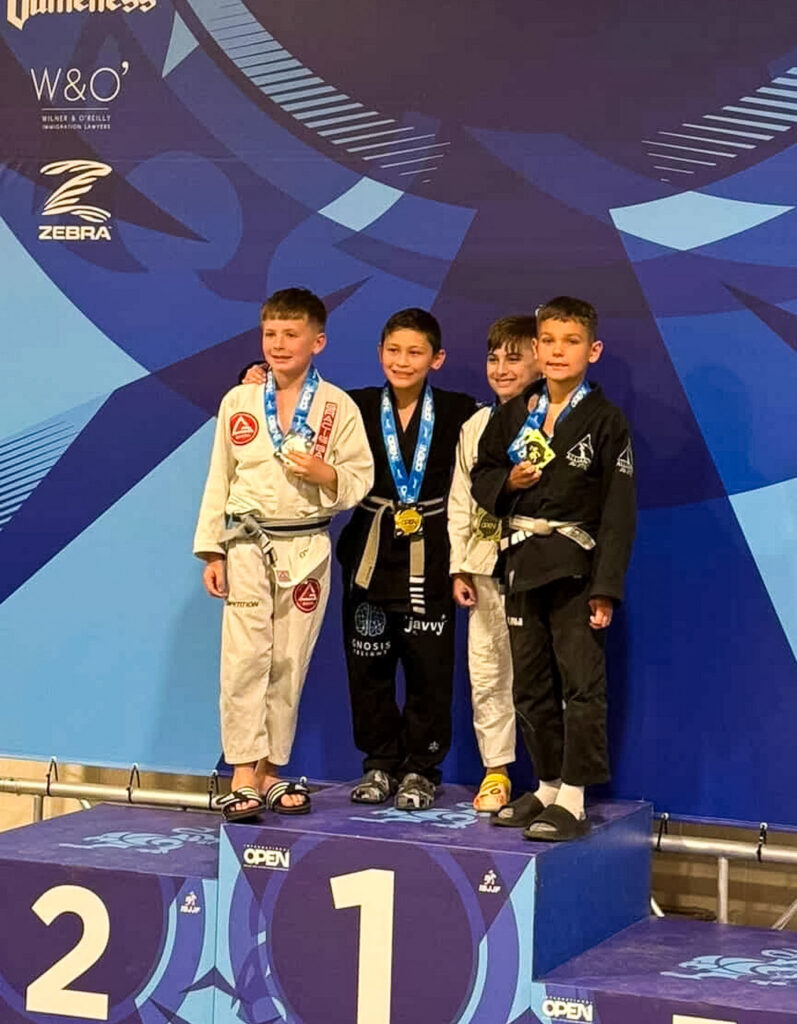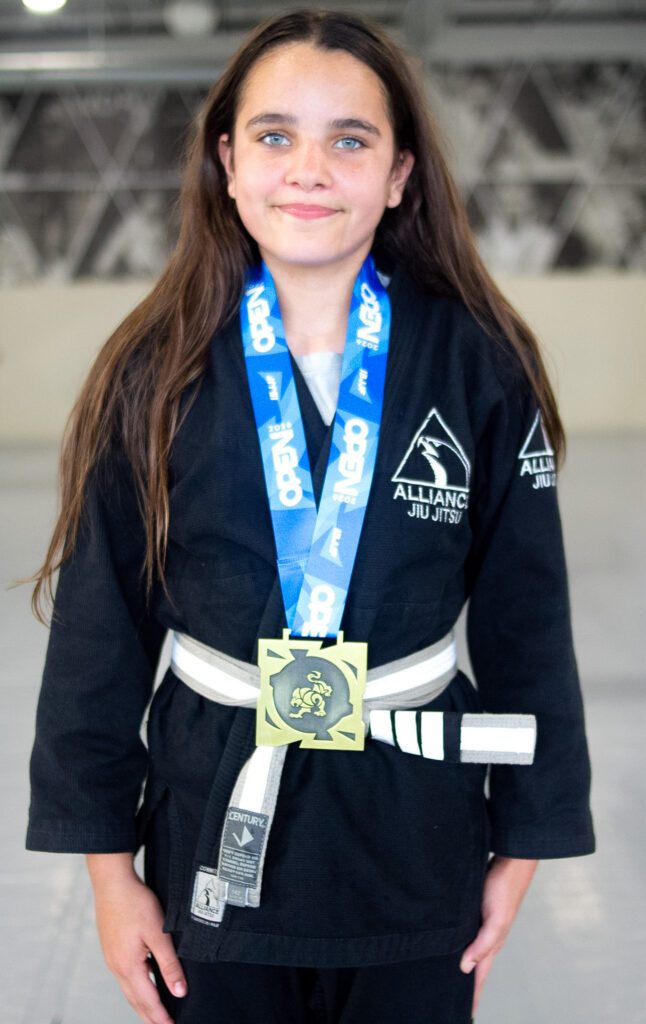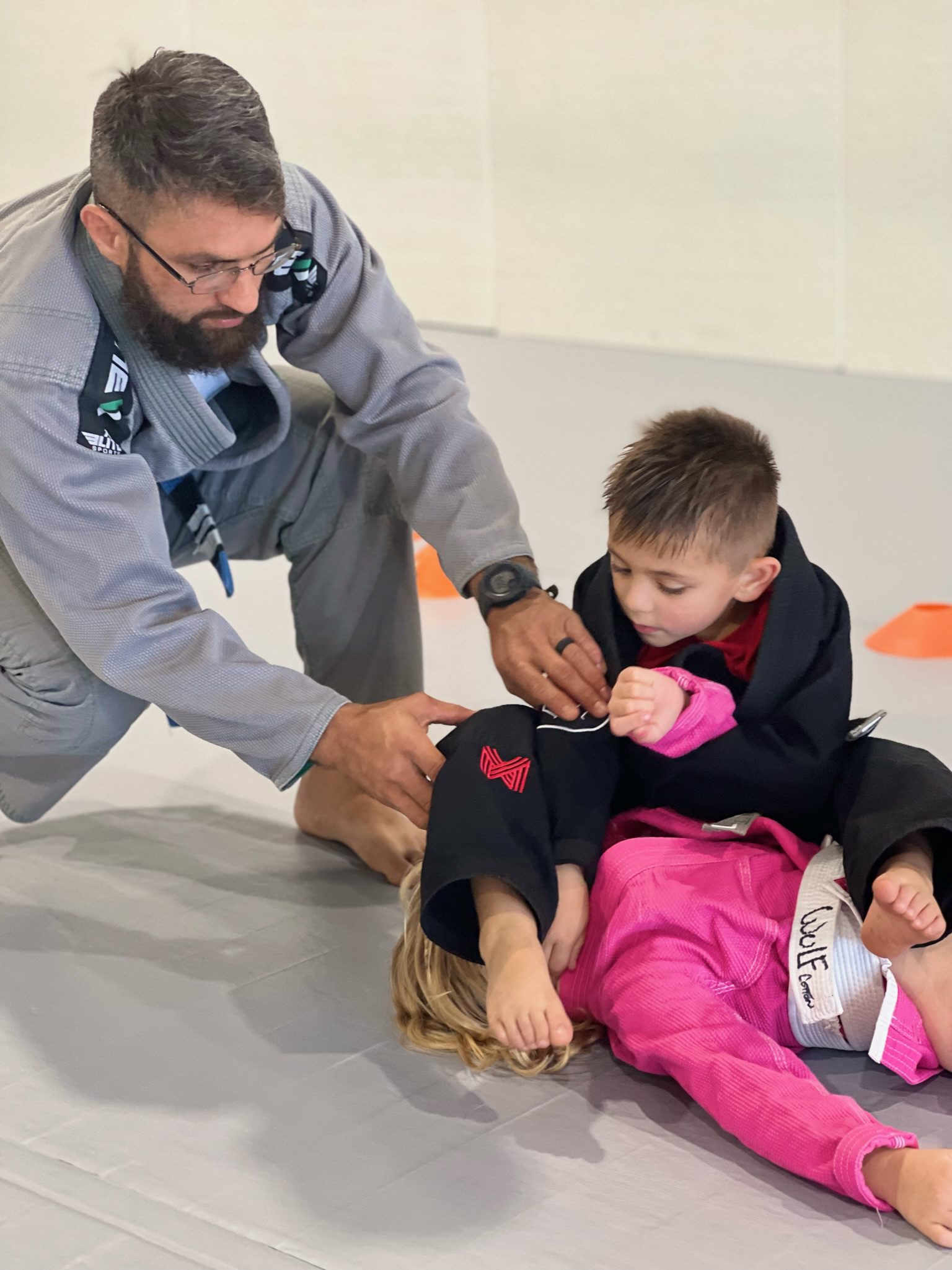
Brazilian jiu-jitsu is one of the most rewarding martial arts a child can take up — confidence, focus, real self-defense skill, and a community that builds character without the bravado. For Pearland families weighing options, the question isn’t whether to put a kid in a martial art, it’s how to pick a program that actually delivers on those promises. This guide covers the practical decision points: what age groups exist, what a beginner class looks like, what to look for in instructors, and how to start at Alliance BJJ Houston.
Why Brazilian Jiu-Jitsu Works for Kids in Martial Arts
BJJ is a grappling art — leverage and technique over strength — which means a smaller, younger student can defend against a larger, older one without striking. That distinction matters for parents thinking about safety. Punches and kicks aren’t part of training, so the injury profile looks much more like wrestling than karate or kickboxing. The skills kids learn in a Pearland jiu-jitsu class translate directly to playground situations: how to break a fall safely, how to escape from being held down — practical grappling skills that translate to playgrounds, school hallways, and any moment a kid needs to stay calm under physical pressure, how to stay calm under pressure.
The benefits parents notice first usually aren’t physical. Kids who start training tend to develop steadier focus, better self-regulation in stressful moments, and a quiet kind of confidence that doesn’t need to prove itself. The structured belt progression gives them concrete goals to work toward, and the academy environment teaches respect for instructors and partners in a way that carries over to school and home.
Programs by Age Group at Alliance BJJ Houston
Alliance offers three age-specific kids programs in Pearland, each tuned to where children are developmentally. Mixing a four-year-old with a ten-year-old in the same class doesn’t work for either of them, so the academy keeps groups small and age-appropriate.
Tiny Eagles
The youngest program introduces kids to the mat through movement-based games, basic body control, and listening drills. The goal at this age isn’t to teach armbars — it’s to build coordination, partner awareness, and the habit of following instructions in a structured environment. Tiny Eagles classes are short by design and lean heavily on positive reinforcement.
Junior Eagles
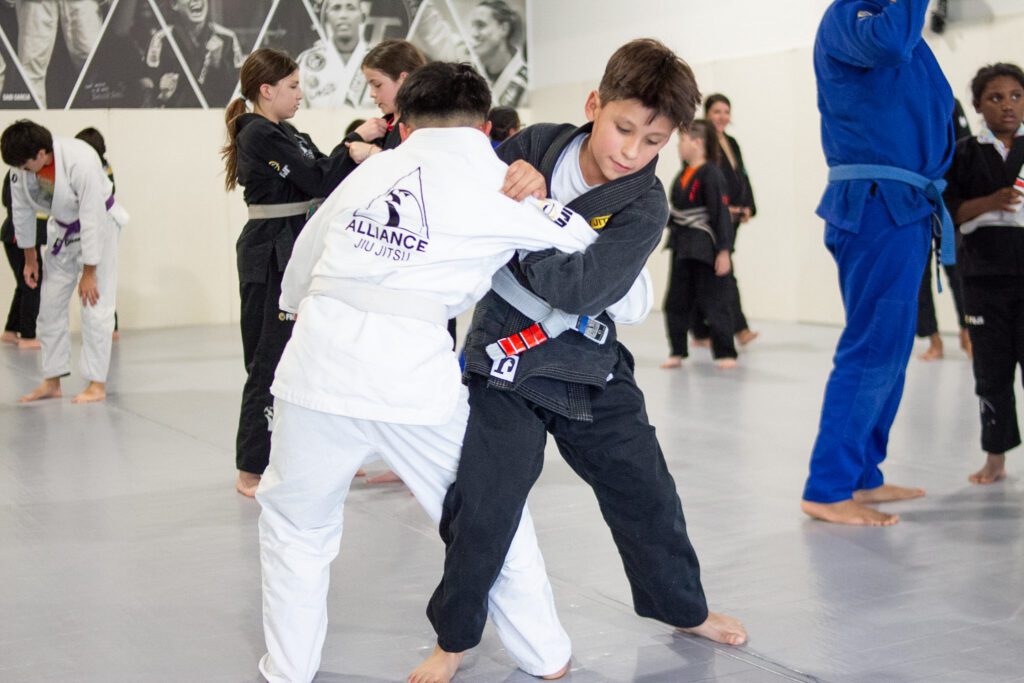
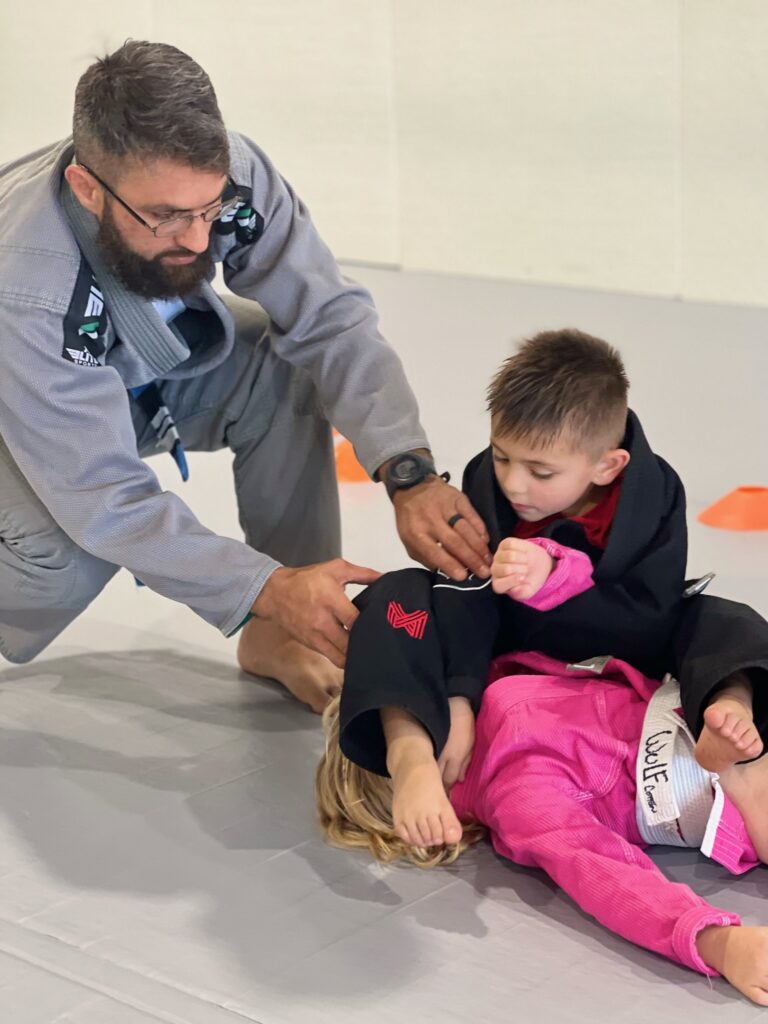
This is where structured Brazilian jiu-jitsu fundamentals start. Junior Eagles work on the foundational positions — guard, mount, side control — alongside basic submissions and escapes. The class format mirrors the adult program but with closer instructor supervision, age-matched partners, and an emphasis on cooperative drilling over heavy sparring.
Kids BJJ
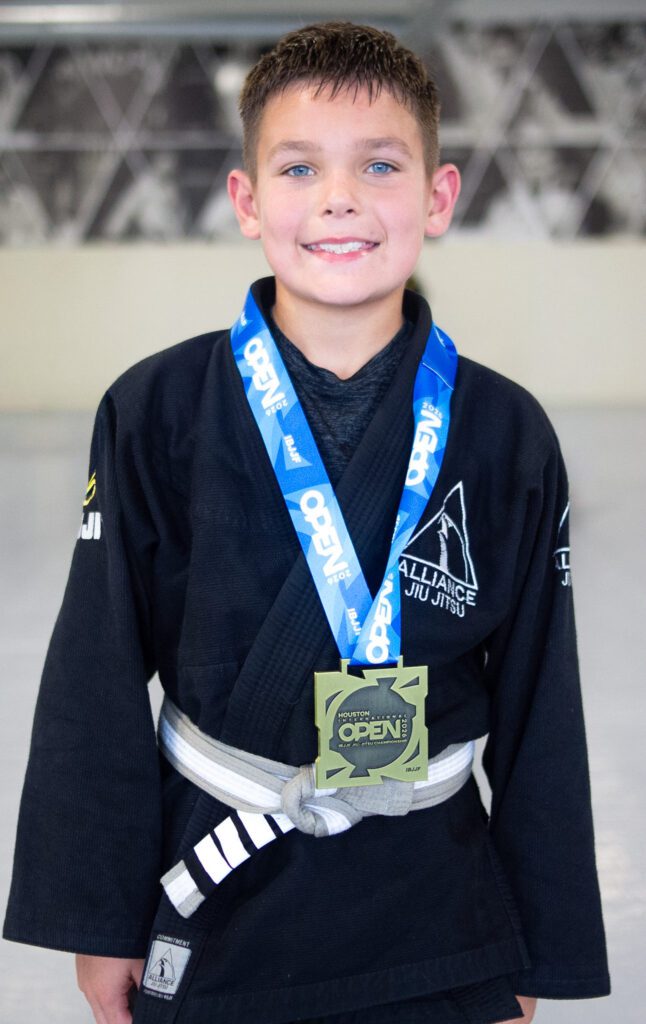
The older kids program runs a fuller curriculum — more technique depth, structured live training, and access to in-house tournaments and team trips for kids who want to compete. The community at this stage starts to look a lot like the adult program, with longer-term training partners and clear belt-progression goals.
What a First Class Looks Like
Most parents bringing a kid in for a first session are surprised by how calm the room is. Class starts with a warm-up — running, animal-walks, basic falling drills — followed by the day’s technique demonstrated by an instructor and then drilled with a partner. Older groups end with positional sparring; younger groups end with movement games. The whole arc is supervised, paced, and designed so a brand-new student can plug in without feeling overwhelmed.
For first-timers there’s no need to buy a gi — the academy provides loaners. Kids should wear comfortable athletic clothes, bring a water bottle, and have nails trimmed for partner safety. Parents are welcome to watch from the seating area near the mat.
Bullying, Self-Defense, and Confidence
The most common reason parents in Pearland enroll their kids is concern about bullying. Brazilian jiu-jitsu’s answer is the right one for school-age children: control without striking. Kids learn to handle being grabbed, pushed down, or pinned without escalating the situation — and the confidence that comes from knowing you can handle yourself tends to deter most bullying before it starts. Instructors weave anti-bullying scenarios into class drills, including verbal de-escalation alongside the physical control techniques.
The skills carry over outside the gym. Real self-defense for kids isn’t about punching back — it’s about staying calm, not panicking when surprised, and knowing how to create distance. Grappling drills practice exactly that, repeatedly, in a controlled setting.
What to Look for in a Kids BJJ Program
A few practical things to check when evaluating any kids martial arts program in Pearland or south Houston:
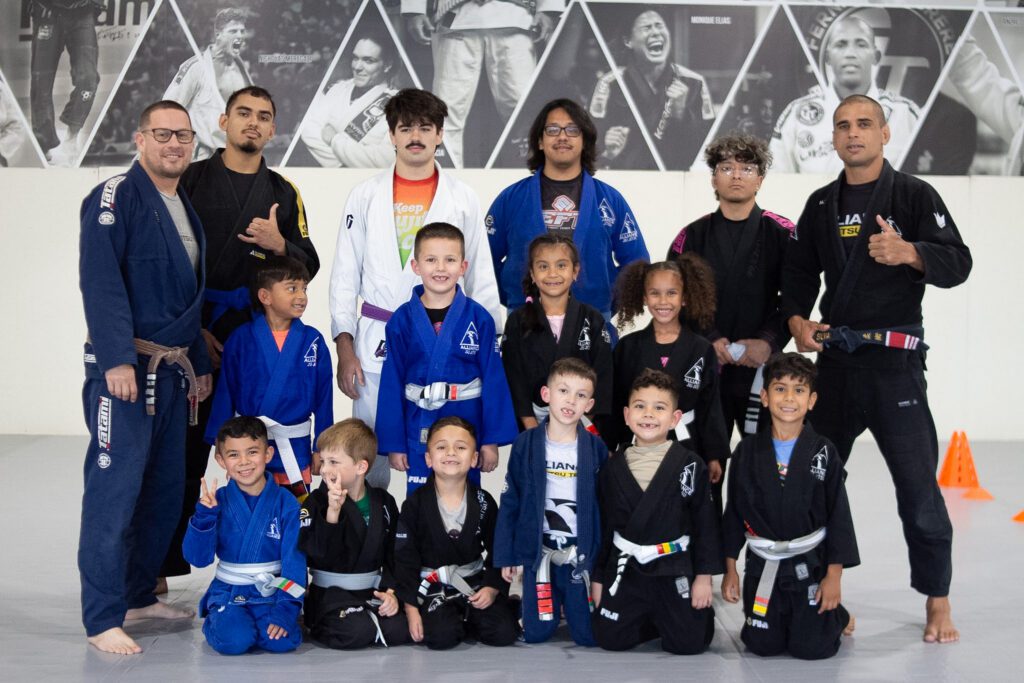
- Age groups are split appropriately — a four-year-old and a ten-year-old shouldn’t be drilling together.
- Class sizes stay small enough for the head instructor to actually correct individual kids.
- The curriculum is structured (not just “come roll around”) — there should be clear progression from one position or technique to the next.
- The atmosphere is calm, not aggressive. Kids classes shouldn’t feel like fight training.
- The academy welcomes parents to watch.
Alliance BJJ Houston was founded out of one of the most successful jiu-jitsu teams in the world, with a long lineage of black belt instruction. For families in Pearland, Friendswood, League City, Alvin, and the South Belt corridor of Houston, it’s the closest established academy with a full kids curriculum.
Common Parent Questions
What age can a child start?
Tiny Eagles takes very young kids — the program is built around movement and listening at that age, not technique. Junior Eagles is the typical entry point for kids ready for structured BJJ fundamentals. The right starting age depends more on a child’s attention span than the calendar.
Is jiu-jitsu safe for kids?
Safer than most contact sports — there’s no striking, partners are matched by size and age, and instructors enforce tap-early-and-often as the basic safety rule. The injury profile is closest to wrestling.
Will it help with focus or attention issues?
Many parents notice steadier focus after a few months of consistent training. The combination of physical activity, repetitive drilling, and clear short-term goals (technique, then belt stripe, then belt) gives high-energy kids a productive outlet and a structured sense of progress.
How to Get Started
Alliance BJJ Houston runs kids classes weekday afternoons and weekend mornings at 8498 S Sam Houston Parkway E in Houston 77075 — about ten minutes from Pearland. The full class schedule shows all kids sessions and which ages each one fits. The fastest way to start is a free consultation, which includes a tour of the academy, a conversation about your child’s goals, and a chance to watch a class on the mat without committing.