Table Of Contents:
- What Are the Key Benefits of Martial Arts Training for Kids, Adults, and Families?
- What Should Beginners Expect in Their First Martial Arts Class at PMAA?
- How Are Martial Arts Programs Tailored for Kids, Adults, and Families in Pearland?
- Why Choose Pearland Martial Arts Academy for Your Training Needs?
- How Can You Enroll and What Are the Pricing Options for Pearland Martial Arts Programs?
- What Self-Defense Training Opportunities Are Available at Pearland Martial Arts Academy?
- Additional Resources and Information
- Frequently Asked Questions
- Final Thoughts
At Pearland Martial Arts Academy, a wide array of martial arts styles is available for every interest and skill level. The academy’s diverse programs cater not only to competitive athletes but also provide practical self-defense and fitness training for adults and families.
Which Martial Arts Styles Can Beginners Try in Pearland?
Beginners at PMAA can start with accessible disciplines such as Karate, Taekwondo, Jiu-Jitsu, and Muay Thai. Each offers a unique entry into martial arts training. Karate emphasizes disciplined form and striking techniques; Taekwondo focuses on high, fast kicks and dynamic footwork; Jiu-Jitsu teaches ground fighting and submission techniques; and Muay Thai, known as the “art of eight limbs,” combines punches, kicks, elbows, and knees to offer a well-rounded striking experience. These classes are structured to develop fundamental skills in stances, movements, and basic sparring.
How Do Karate, Taekwondo, Jiu-Jitsu, and Muay Thai Differ in Training?
Each martial art emphasizes different aspects of combat and self-defense. Karate teaches precision, balance, and linear techniques, fostering a disciplined mind–body connection. Taekwondo stresses rapid, high kicks and flexibility. Jiu-Jitsu centers on grappling and leverage, using technique over brute strength in close-quarter situations. Muay Thai offers a dynamic, full-body workout that combines offensive and defensive maneuvers to improve cardiovascular conditioning and striking accuracy. This comprehensive approach allows each student to choose a style that best matches their physical abilities and personal interests.
What Are the Unique Features of Each PMAA Martial Arts Program?
Each PMAA program is crafted to refine technique and build personal character. Karate classes include rigorous kata routines that promote mental focus and respect for tradition. Taekwondo sessions emphasize sparring drills to boost timing and reflexes. The Jiu-Jitsu program uses situational drills to simulate real-life scenarios and enhance problem-solving under pressure. Muay Thai classes feature pad work and partner drills designed to develop timing, power, and endurance. In every program, safety training and modifications for different fitness levels ensure that every student, regardless of experience, feels welcomed.
What Are the Key Benefits of Martial Arts Training for Kids, Adults, and Families?
Martial arts training at PMAA extends well beyond physical fitness; it enhances mental clarity and builds confidence. The classes create an environment that nurtures discipline and self-assurance, benefiting personal growth and academic success.
How Does Martial Arts Improve Physical Fitness and Coordination?
Martial arts training is known for boosting overall physical fitness and coordination. PMAA routines combine cardiovascular exercise, strength training, and flexibility drills to increase endurance, muscle tone, and balance. Regular practice sharpens reflexes, improves hand–eye coordination, and builds core strength through structured drills and dynamic warm-up routines designed to mirror athletic conditioning.
What Mental and Emotional Benefits Can Students Expect?
Students develop improved focus, reduced stress, and enhanced emotional resilience through martial arts. The disciplined structure, combined with meditative practices such as controlled breathing and mindful movements, helps to alleviate anxiety and boost concentration. The camaraderie within PMAA classes also fosters a strong sense of community, reducing isolation and building a positive self-image.
How Does Martial Arts Foster Character Development and Respect?
PMAA training emphasizes not only physical skills but also values like discipline, perseverance, and respect. The hierarchical belt system motivates continuous improvement while group activities and partner drills build teamwork and mutual respect. This comprehensive approach reinforces that true mastery arises from the integration of physical strength with mental and ethical development.
Why Is Self-Defense Training Important for All Age Groups?
Self-defense training is central to martial arts. Learning practical techniques to protect oneself builds confidence and sharpens situational awareness. These skills help practitioners remain calm under stress and empower both children and adults to take control of their personal security in everyday situations.
What Should Beginners Expect in Their First Martial Arts Class at PMAA?
Beginners at PMAA are welcomed into a well-organized introduction to martial arts. The first class lays a solid foundation by covering basic movements, self-discipline, and the fundamentals of training. Experienced instructors create a safe, non-intimidating environment from the very start.
What Is the Typical Class Structure for New Students?
A beginner’s class at PMAA typically begins with a warm-up involving dynamic stretching and light cardio. This is followed by instruction on basic stances, movements, and techniques specific to the art being taught. Classes blend individual practice with partner drills that simulate controlled sparring and self-defense scenarios, ending with a cool-down and a brief review of key points and future goals.
How Do Instructors Support Beginners During Training?
Instructors at PMAA provide personalized attention and step-by-step guidance to build confidence in new students. They demonstrate techniques multiple times and closely observe each student, offering constructive feedback and modifications to ensure proper form and prevent injury. This patient, supportive approach transforms initial apprehension into a positive, progressive learning experience.
What Equipment and Attire Are Needed for Martial Arts Classes?
PMAA provides clear guidelines for beginners. A comfortable, loose-fitting uniform and a belt corresponding to the starting rank are recommended. Instructors emphasize the importance of proper footwear—typically training barefoot—and protective gear, such as gloves or mouthguards, in classes that include sparring. Beginners are also advised to bring a water bottle and towel for hydration and comfort during practice.
How Are Martial Arts Programs Tailored for Kids, Adults, and Families in Pearland?
PMAA designs its programs to meet the needs of different age groups and skill levels so that every family member benefits from martial arts training. The curriculum is adapted to create an environment where every student, regardless of age or experience, can excel.
What Age-Specific Programs Are Available for Children?
For children, PMAA offers programs that emphasize fun, safety, and skill development. Kids’ classes are structured to build motor skills, improve concentration, and promote teamwork. Young practitioners engage in light sparring, games, and basic techniques through story-telling and interactive drills, which help instill discipline, boost confidence, and develop social skills.
How Do Adult Classes Cater to Different Skill Levels?
Adult classes at PMAA are tailored for a range of skill levels from complete beginners to advanced practitioners seeking to refine techniques. The flexible curriculum includes basic technique reviews for newcomers and advanced strategic drills and sparring for seasoned martial artists. These classes blend fitness training with technical instruction, ensuring all participants progress in their abilities, reflexes, and overall fitness while staying highly engaged.
What Are the Advantages of Family Martial Arts Classes?
Family classes offer a unique opportunity for different generations to train together, strengthening familial bonds. These sessions are designed to be inclusive and adaptable so that parents, children, and even grandparents can practice side by side. The collective exercises boost coordination, encourage mutual support, and foster a sense of unity while creating lasting memories and reinforcing discipline and respect throughout the family.
Why Choose Pearland Martial Arts Academy for Your Training Needs?
Choosing Pearland Martial Arts Academy means joining a training environment with a rich legacy, expert instructors, and a community-centered approach. PMAA offers a blend of skill development, personal growth, and a supportive network that makes every session rewarding and transformative.
What Qualifications and Experience Do PMAA Instructors Have?
The instructors at PMAA are highly qualified, with extensive backgrounds in multiple martial arts disciplines. Each instructor holds recognized black belt rankings and has competed at high levels in various tournaments. They continually refine their training methodologies through advanced seminars, ensuring that every student receives quality instruction delivered with precision and passion.
How Does PMAA Create a Safe and Family-Friendly Environment?
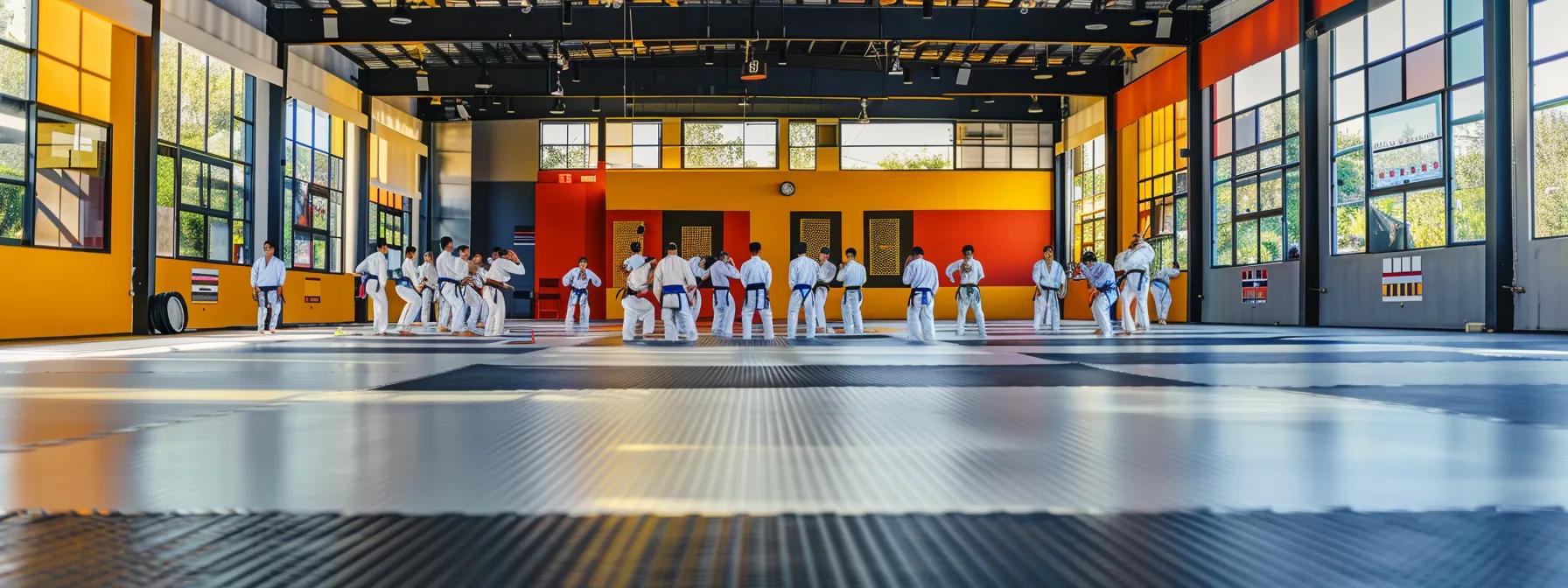
Safety is a top priority at PMAA. Classes are conducted on state-of-the-art mats with strict adherence to safety protocols and proper warm-up routines. Instructors enforce discipline and respect, creating a secure, welcoming environment for every student. The family-friendly ethos is maintained by structured classes that encourage participation from all family members, fostering trust and camaraderie.
What Are the Convenient Location and Scheduling Options?
PMAA is conveniently located near Pearland and Houston, making it accessible for many residents. The academy offers flexible schedules to accommodate busy professionals, students, and families. Whether you prefer early morning, evening, or weekend sessions, there is a time slot that fits your lifestyle. This convenience, paired with modern facilities and a streamlined enrollment process, makes PMAA a top choice for consistent martial arts training.
How Do Testimonials and Success Stories Reflect PMAA’s Impact?
Testimonials from PMAA students highlight dramatic improvements in physical fitness, confidence, and discipline. Many practitioners share how the structured training and supportive community have transformed their lives. These success stories, along with measurable improvements in technique and personal growth, underscore why so many choose PMAA as their martial arts training home.
How Can You Enroll and What Are the Pricing Options for Pearland Martial Arts Programs?
The enrollment process at Pearland Martial Arts Academy is straightforward, ensuring a smooth transition into martial arts training. Clear communication, competitive pricing, and flexible payment options make quality training accessible to everyone.
What Is the Enrollment Process for New Students?
New students begin with a complimentary trial class, during which they experience the training environment and philosophy firsthand. Registration, whether online or in person, involves filling out a simple form, selecting the appropriate class level, and scheduling sessions. The process is designed to be welcoming and efficient, with clear guidance at every step.
What Are the Available Class Schedules and Frequency?
PMAA offers a variety of class schedules to suit different lifestyles. Regular classes are held throughout the week, with additional sessions on weekends and evenings for working adults and families. The frequency is sufficient to ensure steady progress while accommodating busy schedules. Detailed timetables are available on the academy’s website or by contacting the academy directly.
How Does PMAA Structure Its Pricing and Payment Methods?
PMAA offers high-quality training at competitive rates. Classes can be purchased per session, via monthly subscriptions, or as part of an annual membership. Often, there are discounts for families and multi-class packages. Payment options are flexible, including credit/debit cards, online transfers, and sometimes installment plans. This transparent pricing model simplifies budgeting and reflects the academy’s commitment to accessibility and value.
What Self-Defense Training Opportunities Are Available at Pearland Martial Arts Academy?
Self-defense training is a key component of the PMAA curriculum. The self-defense modules incorporate practical scenarios and tailored techniques that enhance personal safety and proactive defense skills. These classes are effective in building physical preparedness alongside mental alertness.
Which Martial Arts Styles Focus on Practical Self-Defense Techniques?
Among the various offerings, Jiu-Jitsu and Muay Thai are particularly focused on self-defense. Jiu-Jitsu teaches leverage and ground control, allowing smaller practitioners to overcome larger opponents, while Muay Thai emphasizes striking techniques that are effective in defensive situations. In addition, elements of Karate and Taekwondo are included to offer a comprehensive self-defense approach.
Are There Specialized Self-Defense Workshops for Different Audiences?
PMAA frequently organizes specialized self-defense workshops for different groups such as women, seniors, and teenagers. These workshops address the unique needs and vulnerabilities of each audience. For example, women’s self-defense classes focus on quick escapes and practical strikes, while sessions for seniors emphasize balance and gentle techniques to enhance safety without injury. Such targeted workshops build confidence and ensure all participants are armed with effective self-defense skills.
How Does Self-Defense Training Build Confidence and Safety Awareness?
Self-defense training at PMAA instills a strong sense of confidence and situational awareness. Learning techniques to neutralize a threat empowers students and helps reduce anxiety in everyday situations. The curriculum, which includes scenario-based drills and mental conditioning, ensures that students internalize the importance of situational awareness—a key benefit that enhances both physical and mental security.
Additional Resources and Information
Below is a table summarizing the key features and benefits of some major martial arts programs available at PMAA:
Before joining a class, visit the academy, speak with the dedicated staff, and experience a trial session to determine which program best suits your fitness and self-defense goals. This table, along with the detailed descriptions above, is designed to help you make an informed choice.
Frequently Asked Questions
Q: How long does it typically take to become proficient in a martial art at PMAA? A: It generally takes several months to a few years to achieve proficiency, depending on the style, practice frequency, and individual dedication.
Q: Can I switch between different martial arts styles once I join? A: Yes, PMAA offers the flexibility to try different styles. Many students cross-train to enhance their overall self-defense skills and physical fitness.
Q: Are there any age restrictions for classes at PMAA? A: No, PMAA offers classes for children, adults, and families, ensuring that every age group can benefit in a safe and supportive environment.
Q: What should I do if I have a prior injury or physical limitation? A: Consult your doctor and inform your instructor about any injuries. PMAA instructors are trained to adapt techniques to accommodate your needs while ensuring safe practice.
Q: How often should I attend classes to see improvements? A: For noticeable improvements, it is advisable to attend classes two to three times a week. Regular practice reinforces muscle memory and builds overall strength.
Q: Will training at PMAA help me gain weight loss or improve fitness? A: Yes, martial arts training is an excellent full-body workout that improves strength, flexibility, and overall physical fitness, while also aiding in weight loss.
Q: What is the typical cost of a membership or class package at PMAA? A: Pricing varies by program and membership type. PMAA offers competitive rates with multiple payment options, including class packages and monthly subscriptions to suit different budgets.
Final Thoughts
In conclusion, joining Pearland Martial Arts Academy offers an enriching experience that goes far beyond physical training—it builds confidence, fosters discipline, and creates a supportive community. With a diverse range of martial arts styles available, there is something for everyone regardless of age or ability. By emphasizing both self-defense and personal development, PMAA ensures that every student masters effective techniques while growing in character and physical fitness. I highly encourage anyone looking to improve their overall health and self-confidence to explore the programs at PMAA and join a community that values excellence, respect, and continuous self-improvement.